Dog Ate a Sock? What to Do Next and Warning Signs to Watch For
If your dog ate a sock, call your veterinarian right away, even if your pup seems perfectly fine. Socks can become lodged in the stomach or intestines and cause a dangerous blockage, and early veterinary guidance gives your dog the best chance of avoiding surgery.
Socks are one of the most common household items dogs swallow. They smell like their favorite people, they’re soft and chewable, and they turn up on bedroom floors and in laundry baskets every day. Puppies and young dogs are especially likely to grab one, but adult dogs that love to chew or “steal” items for attention can gulp one down in seconds. A missing sock and a guilty-looking dog is a common vet-clinic story. At Windrose Animal Hospital in Cranberry Township, PA, we know how alarming it feels. Read on for your next steps, the hidden risks of a dog who seems okay, the signs that mean “go now,” and what treatment looks like.
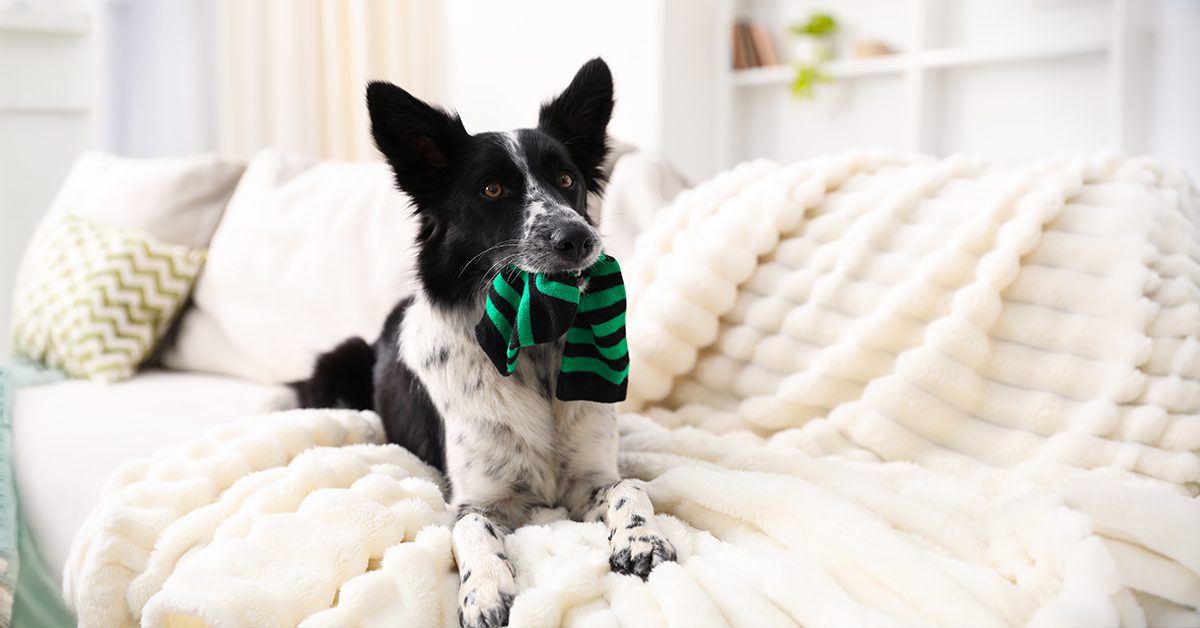
Dog Ate a Sock: What to Do in the First Few Minutes
The steps you take right after your dog swallows a sock can make a real difference in how the situation unfolds. Acting quickly and calmly helps your veterinary team decide on the safest plan.
Here’s what to do if you discover your dog ate a sock:
- Call Windrose Animal Hospital or the nearest emergency animal hospital immediately
- Note the approximate time your dog swallowed the sock
- Find the matching sock so you can describe its size, length, and material
- Write down your dog’s weight, age, and any health conditions
- Remove other socks, laundry, and small objects from your dog’s reach
- Follow your veterinarian’s instructions before offering food or water
Why You Shouldn’t Try to Handle It at Home
Many owners searching what to do after their dog ate sock find online suggestions to make their dog vomit at home. Please don’t attempt this. Home remedies can irritate or damage the esophagus and stomach, and a sock coming back up can get stuck in the throat on the way out. Only a veterinarian can determine whether bringing the sock back up is safe for your dog and then do it in a controlled way.
Timing Matters
A sock usually stays in the stomach for a short window before moving into the intestines, where it’s much harder to retrieve without surgery. That’s why contacting your vet within the first hour or two is so important. If your dog ate a sock overnight or while you were at work, still call right away and share your best estimate of when it happened.
My Dog Ate a Sock but Is Acting Normal: Should I Still Worry?
It’s very common for a dog to seem completely fine right after eating a sock, and that normal behavior can be misleading. Fabric doesn’t break down in the digestive tract, so problems often develop hours or even days later as the sock moves along.
Why Symptoms Can Be Delayed
While the sock sits in the stomach, your dog may eat, play, and act like nothing happened. Trouble tends to begin once the sock reaches the narrower small intestine. There, it can stop moving and create a partial or complete obstruction. Long or stretchy fabrics can also bunch up like an accordion, a dangerous situation veterinarians call a linear foreign body, which can damage the intestinal wall.
Will My Dog Pass the Sock?
Some dogs do pass a sock on their own, but there’s no reliable way to predict which ones will. Several factors affect the outcome when a dog ate a sock:
- Your dog’s size compared to the size of the sock
- Whether it was a thin ankle sock, a thick wool sock, or compression hosiery
- How many socks or other items your dog swallowed
- Whether your dog has a history of eating non-food objects
- How much time has passed since the sock went down
A large dog that swallowed a small, thin sock has better odds than a small breed that ate an adult’s athletic sock, but even big dogs develop blockages. Waiting and watching without veterinary input is a gamble. If your dog ate a sock but is acting normal, your veterinarian may still recommend X-rays or close monitoring, and that guidance should come from someone who has examined your pet.
Warning Signs of a Blockage After a Dog Eats a Sock
Knowing the symptoms of an intestinal obstruction helps you act fast if your dog’s condition changes. A blockage is a medical emergency, and delays can lead to serious complications.
Contact your veterinarian immediately if you notice any of these signs:
- Repeated vomiting, especially after eating or drinking
- Loss of appetite or refusing favorite treats
- Straining to poop or producing little to no stool
- A tender, bloated, or painful belly
- Lethargy, weakness, or hiding
- Restlessness, whining, or a hunched “prayer” posture
- Diarrhea, which can occur with a partial blockage
How Quickly Signs Can Appear
Symptoms may start within a few hours or take two to three days to surface, depending on where the sock settles. Some dogs with a partial obstruction show on-and-off vomiting for several days, which owners sometimes mistake for a mild stomach upset. If your dog ate a sock at any point in the past week and now seems unwell, mention it to your veterinarian.
Why Waiting Is Risky
When a sock blocks the intestine, blood flow to that section of bowel can be reduced. Without treatment, the tissue may become damaged or perforate, which can lead to a life-threatening abdominal infection. Prompt care typically means a simpler procedure, a shorter recovery, and a better outcome. When a dog ate a sock and the problem is caught early, many pets bounce back quickly and return to their normal routines within days.
How Veterinarians Treat a Dog That Swallowed a Sock
Treatment depends on how long ago the sock was eaten, where it is now, and how your dog is feeling. Your veterinarian will start with a thorough history and physical exam, gently feeling the abdomen for pain or an obvious mass. Be ready to share when your dog ate the sock, what it was made of, and any changes you’ve noticed in eating, energy, or bathroom habits since then.
Diagnostic Imaging
Fabric doesn’t always show up clearly on X-rays, but radiographs can reveal gas patterns that suggest a blockage. Your vet may take several images over time or use ultrasound to get a clearer view. Bloodwork helps assess hydration, electrolytes, and overall health before any procedure.
Treatment Options
If the sock was swallowed recently and is still in the stomach, your veterinarian may give a medication that safely causes vomiting under supervision. In some cases, an endoscope, a flexible tube with a camera, can retrieve the sock through the mouth without any incisions. If the sock has moved into the intestines or caused a blockage, abdominal surgery is often the safest way to remove it and check the intestines for damage. Dogs recovering from surgery usually stay in the hospital for monitoring before going home with specific care instructions. Your veterinary team will explain the recommended approach, expected recovery time, and costs so you can make an informed decision for your pet.
Preventing a Repeat Episode
Once a dog ate a sock and got away with it, there’s a good chance they’ll try again. Using a lidded laundry hamper, keeping bedroom doors closed, and offering safe, durable chew toys can reduce temptation. If your dog repeatedly eats non-food items, your veterinarian can help look into possible causes, including boredom, anxiety, or other medical conditions.
Fast Help in Cranberry Township When Your Dog Ate a Sock
Finding out that your dog ate a sock is scary, but you don’t have to guess about the next step. A quick call to your veterinarian gives you clear direction and can prevent a minor mishap from becoming a major emergency. Our team at Windrose Animal Hospital helps families in Cranberry Township and nearby communities with foreign body cases, offering exams, diagnostic imaging, and surgical care when a swallowed object won’t pass on its own. Whether your dog ate a sock five minutes ago or has been acting off for a day or two, we’re here to evaluate your dog and talk through your options. Call Windrose Animal Hospital at (724) 779-8300 as soon as you suspect your dog swallowed something it shouldn’t have. If it’s after hours, contact your nearest emergency veterinary hospital right away.
Recent Posts
Finding a veterinarian you trust should feel easy—and so should booking an appointment. At Windrose Animal Hospital, we make caring for your cat, dog, or exotic pet simple, flexible, and stress-free with same-day scheduling and walk-ins always welcome.