

Why Is My Dog Sneezing So Much? Common Causes and When to Call the Vet
If you’re asking, “Why is my dog sneezing so much?” the most common answer is that something is irritating the lining of your dog’s nose, such as allergens, dust, a foreign object, or an infection. Occasional sneezing is normal, but frequent or persistent sneezing often points to an underlying issue that a veterinarian should evaluate.
Dogs explore the world nose-first. They sniff grass, dig through leaf piles, and push their snouts into every corner of the backyard, so their nasal passages encounter far more debris than ours do. Most of the time, a sneeze simply clears out whatever tickled the nose. When the sneezing turns into fits, happens daily, or comes with other changes, it deserves a closer look. At Windrose Animal Hospital in Cranberry Township, PA, our team regularly helps pet owners figure out what’s behind a dog’s sneezing and what it means for their pet’s health. If you’ve found yourself wondering, “Why is my dog sneezing so much lately?” this guide covers the most common causes, how to tell normal sneezing from a concern, and what to expect at a veterinary visit.
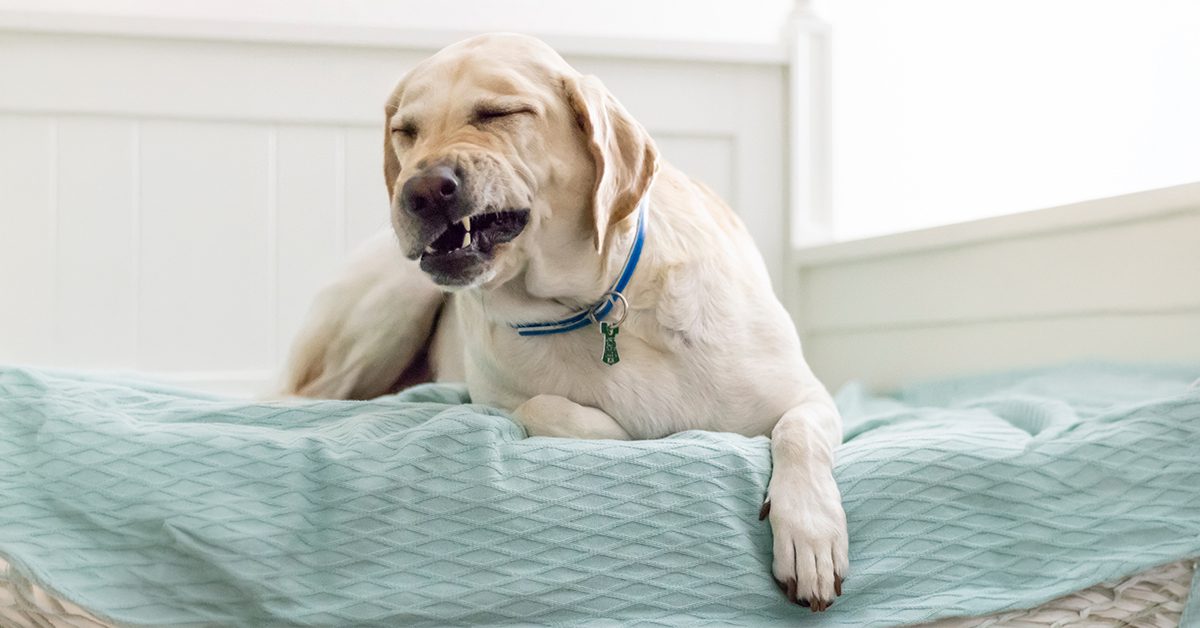
Why Does My Dog Keep Sneezing?
When pet owners ask us, “Why is my dog sneezing so much?” the answer usually traces back to one of a handful of causes, ranging from harmless to serious. Understanding these possibilities helps you describe your dog’s symptoms clearly and recognize when to seek care.
Environmental Allergies and Household Irritants
Seasonal pollen, mold spores, and dust mites can trigger sneezing in dogs just as they do in people. Western Pennsylvania’s spring tree pollen and late-summer ragweed often bring a noticeable uptick in itchy, sneezy dogs. Products inside your home can play a role as well. Common indoor irritants include:
- Cigarette, cigar, or fireplace smoke
- Scented candles, plug-in air fresheners, and perfumes
- Carpet powders and aerosol cleaning sprays
- Dusty cat litter or certain bedding materials
Many owners searching “Why is my dog sneezing so much?” discover the trigger was something recently introduced to the home, like a new cleaner or a fresh bag of litter.
Foreign Objects in the Nose
Grass awns, foxtails, seeds, and small twigs can become lodged in a dog’s nasal passage during outdoor adventures. For active dogs that explore fields and wooded trails, a foreign body is a frequent answer to “Why is my dog sneezing so much all of a sudden?” These objects often cause sudden, violent sneezing, pawing at the face, and sometimes a nosebleed from one nostril. Because they can migrate deeper over time, your veterinarian needs to locate and remove them.
Respiratory Infections
Viral and bacterial upper respiratory infections, including canine infectious respiratory disease complex (often called kennel cough), can cause sneezing alongside coughing and nasal discharge. Dogs that board, attend daycare, or visit dog parks face higher exposure, so a recent kennel stay is a common thread when owners of social pups ask, “Why is my dog sneezing so much?” Fungal infections such as aspergillosis are less common but can lead to chronic sneezing and discharge.
Dental Disease, Nasal Mites, and Growths
An infected upper tooth root sits very close to the nasal cavity, so advanced dental disease can spread into the nasal passages and trigger ongoing sneezing. Nasal mites, though uncommon, pass between dogs through close contact and cause intense sneezing. In older dogs, nasal polyps or tumors can produce persistent sneezing, often with discharge or bleeding from one side.
Is Frequent Sneezing in Dogs Ever Normal?
Not every sneeze signals a problem, and some types of sneezing are a perfectly normal part of canine behavior. Knowing the difference can spare you unnecessary worry while helping you spot true red flags.
Play Sneezing and Communication
Many dogs sneeze when they’re excited, playing, or greeting their favorite people. This “play sneeze” is a short, soft snort that signals friendly intent to other dogs and often shows up during wrestling or tug-of-war. If your dog sneezes mostly right before a walk or when you grab the leash, excitement is likely the reason. In that case, the answer to “Why is my dog sneezing so much?” may simply be a happy, playful personality.
Reverse Sneezing
Reverse sneezing sounds alarming: a loud, honking snort as your dog rapidly pulls air in through the nose. Episodes typically last a few seconds to a minute, and most dogs return to normal immediately afterward. Reverse sneezing is especially common in small breeds and dogs with short noses. Occasional episodes are often benign, but frequent or worsening episodes are worth mentioning to your veterinarian, since allergies, mites, or nasal irritation can contribute.
Breed and Facial Structure
Brachycephalic breeds such as Pugs, French Bulldogs, Boston Terriers, and Shih Tzus have compressed nasal passages that make them more prone to sneezing, snorting, and noisy breathing. Long-nosed breeds like Collies and Greyhounds have more nasal surface area, which may make them more susceptible to certain nasal conditions.
So if you’re thinking, “Why is my dog sneezing so much, and is it just their breed?” the short answer is that anatomy can explain some sneezing, but it should never be assumed as the only cause. A pattern that’s new, increasing, or paired with other symptoms is a good reason to have your dog examined.
When Should You Worry About Your Dog’s Sneezing?
Certain signs suggest your dog’s sneezing has moved beyond a passing tickle. If you notice any of the following, schedule an exam with your veterinarian:
- Blood coming from one or both nostrils
- Thick yellow, green, or cloudy nasal discharge
- Sneezing that lasts more than a day or two or keeps coming back
- Swelling on the face, muzzle, or under the eyes
- Repeated pawing or rubbing at the nose
- Decreased appetite, low energy, or fever
- Bad breath or reluctance to chew hard food
Signs That Need Immediate Attention
Some situations call for prompt veterinary care. Labored breathing, a nosebleed that won’t stop, collapse, or sudden, nonstop sneezing after time in tall grass all warrant a same-day visit or an emergency call. Avoid trying to remove anything from your dog’s nose yourself, as this can push an object deeper or injure the delicate nasal tissue.
Why Tracking Patterns Helps Your Vet
When someone asks our team “Why is my dog sneezing so much?” the details they share make a big difference. Take note of when the sneezing started, how often it happens, whether it’s worse indoors or outdoors, and whether discharge comes from one side or both. Sneezing that involves only one nostril often points toward a foreign body, dental issue, or growth, while sneezing on both sides more commonly relates to allergies or infections. A short phone video of a sneezing episode can also be very helpful during the appointment, since dogs rarely sneeze on cue in the exam room.
How Do Vets Find the Cause of Constant Sneezing?
Pinpointing the answer to “Why is my dog sneezing so much?” starts with a thorough history and physical exam, followed by targeted diagnostics when needed.
What Happens During the Exam
Your veterinarian will examine your dog’s nose, face, mouth, teeth, eyes, and lymph nodes, and listen carefully to the heart and lungs. Airflow through each nostril, signs of facial asymmetry, and the color and consistency of any discharge all provide valuable clues. Your dog’s age, lifestyle, vaccination history, and recent activities help narrow the possibilities further.
Diagnostic Tools Your Veterinarian May Use
Depending on what the exam reveals, your veterinarian may recommend one or more of the following:
- Bloodwork to assess overall health and clotting function
- Dental radiographs to check for tooth root infections
- Nasal or skull X-rays, or advanced imaging such as a CT scan
- Rhinoscopy, which uses a tiny camera to view inside the nasal passages
- Nasal swabs, cultures, or respiratory infection panels
- Tissue biopsies if a growth is suspected
Some of these procedures require sedation or anesthesia, and your veterinary team will explain what each one involves before moving forward.
Why a Professional Diagnosis Matters
Because so many nasal conditions look alike from the outside, guessing at the cause can delay effective care. Searching online for “Why is my dog sneezing so much?” can offer a helpful starting point, but only an exam can confirm what’s happening inside your dog’s nose. Over-the-counter products made for people can be dangerous for dogs, so always talk with your veterinarian before giving your pet any medication. A clear diagnosis is the fastest path to the right treatment plan and lasting relief for your pup.
Help for Your Sneezing Dog in Cranberry Township
If you keep asking yourself, “Why is my dog sneezing so much?” you don’t have to sort it out alone. Most sneezing has a manageable cause, and identifying it early often makes care simpler and more comfortable for your dog.
Our team at Windrose Animal Hospital welcomes pet owners from Cranberry Township and the surrounding communities, offering thorough exams, diagnostic testing, and dental care that can uncover the source of persistent sneezing. We take time to listen to your observations, answer your questions, and create a plan tailored to your dog’s needs. Call Windrose Animal Hospital at (724) 779-8300 to schedule an appointment, and bring along any notes or videos of your dog’s sneezing episodes. Together, we’ll help your best friend breathe easier.
Recent Posts
Finding a veterinarian you trust should feel easy—and so should booking an appointment. At Windrose Animal Hospital, we make caring for your cat, dog, or exotic pet simple, flexible, and stress-free with same-day scheduling and walk-ins always welcome.